
Types of jewelry clasps are the different fasteners used to join ends of necklaces, bracelets, and anklets. They vary from easy spring ring and lobster clasps to toggle, magnetic, and box clasps, all providing different levels of security and convenience. Materials and size impact durability and comfort, while clasp style impacts the look of a piece. Certain clasps function better with heavy chains, while others complement delicate strands or beads. Magnetic clasps assist those with limited dexterity, and safety catch accents provide backup for precious pieces. Below we break down popular types of clasps, their respective advantages and disadvantages, and tips for selecting the appropriate clasp for certain jewelry designs and lifestyle needs.
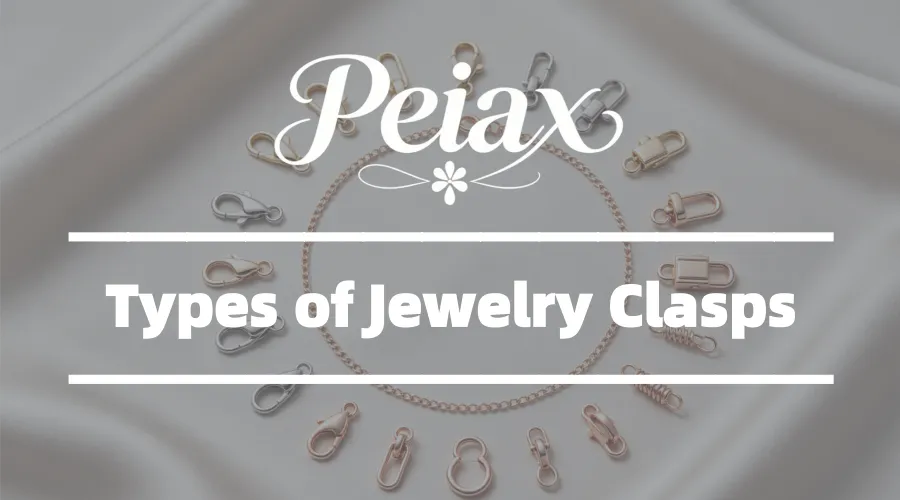
The Essential Guide to Jewelry Clasp Types
A clasp not only closes a piece but influences wear, comfort, and style. To keep things clear, we’ve listed the most popular types of safety clasps below with targeted descriptions explaining how each operates, where it best fits, and practical tips for selection.
- Lobster (lobster claw)
- Spring ring
- Toggle (bar and loop)
- Magnetic
- Box (tab-and-safety)
- Hook (S-shaped)
- Barrel (screw)
- Tube (multi-strand tube style)
1. The Lobster
Lobster claw clasps feature a spring-loaded arm that opens when a small lever is pressed, providing a secure option for closures on chain necklaces and bead work. This mechanism snaps shut when released, ensuring a strong hold for jewelry pieces, including those with heavier pendants or longer chains. Available in different types and sizes, larger lobster claws are ideal for heavier chains, while smaller ones maintain a low-profile for finer necklaces. Clients often prefer these clasps for their reliability, although some users may find the tiny lever hard to manipulate.
2. The Spring Ring
Spring ring clasps, which are a secure option for jewelry, are circles featuring a small internal spring and a lever that slides to open a gap. Ideal for dainty chains and understated adornments, they maintain a low profile, ensuring the clasp does not distract from the jewelry pieces. While inexpensive and easy to source, they can pose difficulties for those with limited dexterity or arthritis, making them less accessible than alternatives like toggle clasps.
3. The Toggle
Toggle clasps couple a bar with a loop, making them a secure option for various jewelry pieces. The bar passes through the loop and lies cross-wise across it in closure, enabling 360-degree rotation. They’re equal parts closure and design element, perfect for chunky chains, statement necklaces, and weighty bracelets that still require a bit of decoration. With their ease of manipulation, toggles provide a vintage or modern accent depending upon finish and size.
4. The Magnetic
Magnetic clasps, featuring a secure option with powerful magnets, click together for easy on/off functionality. They are ideal for lightweight necklaces and beaded bracelets, especially for wearers with dexterity challenges. However, they are not great for heavy pieces, as strong tugs or a weighty pendant can pry them apart.
5. The Box
Box clasps, an important component in quality jewelry supplies, are a tab that inserts into a box housing and frequently feature a safety mechanism for additional protection. They are popular on expensive pieces such as tennis bracelets and gemstone strands, often embellished with decorative elements.
6. The Hook
S-hook clasps are uncomplicated and provide minimal length adjustments for a custom fit in quality jewelry supplies. These secure options are perfect for necklaces, anklets, and beaded bracelets where speedy, tool-free fastening is essential, making them popular in rustic or artisan designs.
7. The Barrel
Barrel clasps, an important component in jewelry making, screw together, with one end twisting into the other, resembling a mini barrel. They offer a close to invisible appearance for beaded bracelets and pearl strands. However, for pieces requiring a secure option that can be operated single-handedly, consider alternatives like safety clasps.
How to Select the Perfect Clasp
Selecting the ideal clasp, such as a toggle clasp or hook clasp, starts with a snap evaluation of the piece and its intended wear. Consider jewelry weight, style, and function to ensure safety and aesthetic compatibility.
Consider the Jewelry
Consider the size, weight and value of your jewelry piece when choosing a clasp. Heavier chains and multi-strand necklaces require more robust closures. Lobster clasps and box clasps wear well, while dainty chains combine better with spring rings or petite lobsters.
Pair clasp strength and type of mechanism to the type of chain, strand, or beads. For beadwork, crimped ends and lobster or barrel clasps often work best. Stringing material matters. Silk knotting versus wire may need different end treatments and clasp attachments.
For high value or heavy pieces, always opt for secure bracelet clasps to reduce the risk of loss. Spring rings are secure when new, but the internal spring can weaken over time. Opt for lobster or box clasps on precious pieces and suggest a professional inspection once a year for added peace of mind.
Jewelry Feature | Corresponding Clasp Type |
Necklace | Lobster Clasp |
Bracelet | Toggle Clasp |
Earrings | French Hook |
Anklet | Magnetic Clasp |
Brooch | C-Clasp |
Watch | Deployment Clasp |
Jewelry characteristic | Recommended clasp types |
Heavy chain or statement necklace | Lobster, box, safety clasp |
Delicate chain or pendant | Spring ring, small lobster |
Multi-strand or beadwork | Slide, box, barrel |
Bracelet or anklet | Lobster, box, safety clasp |
Easy-use preference | Toggle, magnetic |
Consider the Wearer
Consider the wearer’s age, dexterity, and comfort with various clasp types. Seniors or anyone with hand issues won’t be able to deal with small spring rings or two-handed barrel clasps.
Consider magnetic or toggle clasps for clients dealing with arthritis or restricted hand mobility. Toggle clasps are instinctive and commonly one-handed answers. While magnetic closures make for super speedy fastening, always check magnetic strength for safety with heavier pieces.
Choose clasps that suit the wearer’s lifestyle – active vs. Dressy events. Hands-on lifestyles require tough, low-profile clasps that resist snagging. Formal pieces can use decorative box or filigree clasps.
Everyone needs to offer clasp options too! Recommend a necklace helper tool for when single-handed fastening is difficult. Check the closure by wearing the piece during daily activities to ensure functionality.
Consider the Aesthetic
Make sure the clasp matches the jewelry’s style, materials, and colors. Coordinate clasp finishes, such as gold, silver, and rhodium, with the rest of the piece.
Use decorative clasps, like box or toggle, as focal points in statement pieces. Choose understated clasps, like spring ring or barrel, for minimalist or dainty designs to maintain focus on the piece itself.
Strike a balance between form and function. Security is key for precious pieces, while finish and scale should be matched to the design for your client’s pleasure.
Why Clasp Material Matters
The clasp material significantly influences how a piece of jewelry wears, looks, and ages. This important component affects durability and ease of use, determining whether the clasp can securely hold heavier chain bracelets or beaded bracelets. Choosing the right clasp, such as a toggle clasp or a hook clasp, can make a necklace feel secure and effortless to fasten, preventing repeated repairs.
Precious Metals
Gold, silver, and platinum clasps complement fine and luxury jewelry, especially when considering options like a quality lobster clasp or a toggle clasp for added security. These clasps are corrosion- and tarnish-resistant, with platinum excelling in sweat and humidity resistance, ensuring heirloom-worthy pieces remain trustworthy for generations. Many luxury bracelets enhance their design with a double-action lock, adding a safety mechanism that minimizes accidental loss. Although these metals are more expensive, they correspond to top-tier chains and stones, maintaining resale value. For those with metal sensitivities, high-karat gold and platinum are the safest options, while silver may still cause a rash. Precious-metal clasps often need less frequent replacement, and their finish and heft naturally complement luxury designs.
Base Metals
Brass, copper alloys, and stainless steel provide low cost and high availability, making them popular choices among jewelers for fashion lines and bold chains where cost must be managed. Stainless steel is resilient and frequently hypoallergenic, while brass may tarnish sooner, potentially darkening neighboring links. Spring ring clasps made from cheaper base metals can wear out quicker, especially on highly used necklaces, whereas stainless lobster claws offer a secure option for longevity. For trendy or costume jewelry, base metals strike a good price and style balance, but it’s essential to monitor for skin reactions and prepare to schedule replacements in your care instructions, ensuring the quality of your jewelry pieces over time.
Alternative Materials
Plastic, wood, and ceramic clasps create more unique looks and lightweight options for casual or children’s jewelry. These decorative elements enable vibrant colors and eccentric shapes unattainable in metal, which is great for artful or seasonal lines. While certain snap or magnetic types can be one-handed, they typically don’t have the durability of metal. Ceramics might chip, plastics can warp, and wooden toggles might soak up water. Therefore, consider using these materials where lightweight and inventive shape are more important than decades of wear in your jewelry pieces.
Material | Durability | Cost | Best use |
Platinum/Gold | High | High | Fine jewelry, heirlooms |
Silver | Medium-high | Medium | Classic pieces, moderate budgets |
Stainless steel | High | Low-medium | Everyday, hypoallergenic lines |
Brass/Copper | Medium | Low | Fashion, bulk production |
Plastic/Wood/Ceramic | Low-medium | Low | Lightweight, children’s, artistic |
The Unspoken Role of a Clasp
A clasp is not just something to hold a piece together; it defines the way a piece wears, looks, and endures. A secure option, like a toggle clasp or a simple hook, impacts security, comfort, wearability, and first impressions. The subsections below parse the primary pragmatic and perceptual roles of clasps and provide targeted advice for designers, retailers, and consumers.
The Feeling of Security
A good clasp is an important component that keeps your investment pieces from falling off and getting lost! A robust lobster clasp or a multi-point safety clasp will minimize the possibility that a necklace or bracelet slides off in everyday wear. For your better pieces, consider adding a safety latch or a secondary chain; a tiny safety chain on a 45 cm gold necklace can save an heirloom from being lost if the clasp breaks. Customers do notice dependable clasps and often mention they trust sellers who provide quality jewelry supplies.
Some clasps are clunky and rock solid, while others are tiny and inconspicuous but may be a little fragile. Match size to purpose: heavier jewelry benefits from larger, stronger clasps, while delicate pieces may use tiny spring rings with a secure option for additional safety. Always check for metal fatigue points and solder joins!
The User Experience
Convenience counts. Clasps ought to open and close neatly, particularly on daily-wear pieces like basic chains or charm bracelets. Select mechanisms appropriate for average dexterity. For older wearers, lever or magnetic clasps eliminate frustration. Steer clear of miniature, fiddly spring rings on items that you’ll be dealing with on a regular basis.
Try it out on samples. TEST IT. Try flapping open and closed a few times to detect any rough edges or tension loss. Consider ergonomics: a clasp that lies flat against the skin and has no sharp edges improves comfort and prevents irritation. We hear through customer feedback that people hate cheap clasps that are too hard to open, so use reviews to tailor choices prior to big production runs.
The Mark of Quality
There’s an unspoken role of a good clasp. It instantly increases the perceived value. Premium parts, clean finishes, and coordinating metal tones accentuate the artisan. Custom or branded clasps are a subtle signature and can be a selling point for premium lines. Check your stock and replace old clasps. A badly finished or loose clasp can ruin an otherwise wonderful item.
Design matters visually: some clasps are decorative focal points, others stay hidden. Select form and finish to suit the occasion and style of the piece.
Exploring Specialty Clasps
Specialty clasps, including the toggle clasp and magnetic options, address situations where standard closures fall short, such as multi-strand pieces and bespoke works that pair function with ornament. These clasps provide functional benefits, including improved weight distribution, less tangling, and simpler wear, while also offering aesthetic appeal when selected to complement the piece. Specialty clasps include barrel, push-release, and newer slide or concealed varieties.
Multi-Strand Clasps
Multi-strand clasps are a secure option for keeping multiple chains or strands aligned, ensuring they rest nicely without twisting. This functionality is crucial for pearl strands, gemstone necklaces, and stackable bracelet sets. They incorporate multiple attachment bars or loops within one housing, allowing each strand to remain parallel, which enhances wear and the overall appearance of layered designs. Additionally, choosing quality jewelry supplies is essential for optimal performance.
Even weight distribution is paramount when using these clasps. If one strand is heavier, the entire piece can twist or strain links and knots. Opt for multi-strand clasps that are solid and lock securely, such as a box-lock or a high-quality lobster-style clasp remolded to several loops. For luxury or bespoke orders, jewelers frequently solder additional reinforcement to the bars to prevent erosion.
Some multi-strand options also integrate decorative elements, like tiny toggles or etched housings, allowing the clasp to contribute to the aesthetic while serving its function. While magnetic multi-strand versions exist, ensure you use strong magnets for security, avoiding them on pieces where you desire a very secure clasp.
Slide Clasps
Specialty clasps Exploring specialty clasps Slide lock clasps Tubular closures that pull or slide together for a clean, modern finish. They’re perfect for multi-strand pieces which require a low-profile finish and an ultra-sleek appearance popular in modern jewelry.
Slide clasps tend to spread weight evenly between all of the strands to which they’re attached, so they don’t pull on any one link and are typically easy to clasp. They go great with dainty multi-row bracelets and contemporary pearl collars. Some slide locks have inner spring catches. Take care that spring mechanisms such as push-release types can wear and eventually require replacement.
Concealed Clasps
Concealed clasps tuck away inside the design so the closure is not visible, perfect for luxury pieces where seamless surface counts. They are popular in pearl necklaces and fine gemstone strands where uninterrupted beauty is paramount.
Hidden clasps need to be just as easy to use and uphold. Go for positive-lock models or a little catch that resists unintended opening. Clasps through the ages, from the hook-and-eye systems of ancient cultures to safety-style mechanisms in the late 1700s, have been around since the dawn of time. Modern hidden designs keep up that tradition for safer, less obvious closures.
Ensuring Clasp Longevity
Clasp hygiene is essential for preventing breakage and prolonging a piece’s lifespan, particularly for jewelry pieces like chain bracelets and pearl necklaces. Regular attention to small parts such as springs and latches ensures that safety clasps function properly, avoiding costly repairs.
- Wipe clasps after wear with a soft cloth to remove oils and salts.
- Care Tip: Clean occasionally with gentle soap and warm water. Just rinse and dry it well.
- Do not use bleach, ammonia, or other strong chemicals that remove finishes or eat metals.
- Check springs, hinges, and solder points every month for looseness or fatigue.
- Keep clasps happy. Store necklaces flat or hanging to avoid twisting and strain on the clasp.
- Consider small zip pouches or anti-tarnish strips for silver and mixed-metal pieces.
- Professional cleaning for detailed or filigree clasps that catch dirt.
- Replace weak or damaged clasps promptly to avoid loss.
Proper Cleaning
Clean clasps once a month if worn daily. For daily-worn necklaces, a soft cloth rub after each use and a light soap bath every few weeks does wonders. Gold and plated pieces take nicely to a microfiber cloth and watered-down dish soap. Rub gently and pat dry to keep finishes intact.
Steer clear of ultrasonic cleaners with plated or delicate finishes unless your jeweler approves it. For sterling silver, soft brushes penetrate crevices without scratching. Ultrasonic cleaning is great for detailed metalwork and hard-to-reach pinholes. Pearls, opals, or glued settings require a pro.
Routine Inspection
Be in the habit of inspection. Check spring mechanisms first. They break down slowly and are a frequent culprit. Try latches and movable components for ensuring flush action and closure. Inspect for thinning or cracks around solder joints and where chains attach to the clasp.
Keep a simple checklist for staff: visual check, manual test, clean if needed, note repairs. If wear shows, replace the clasp before it fails. A strong clasp and high-grade metal both reduce the risk of needing quick repairs and make everyday wear more secure.
Professional Repair
When a clasp bends, the spring slips, or solder breaks, find a trained jeweler. Tricky repairs such as re-soldering or spring replacement need equipment and ability to bring back durability and design. Providing repair and replacement services fosters trust and accelerates turnaround.
Keep common findings, such as lobster clasps, jump rings, and spring rings, in quality metals in stock for speedy swaps. Professional cleanings should remain a part of your care for delicate or heavily detailed pieces.
Conclusion
A great clasp means a piece of jewelry is functional, secure, and more frequently worn. The right kind suits the design and the lifestyle. Pair spring rings and lobster clasps with everyday chains. Go for magnetic or toggle clasps for convenience. Select metal that withstands sweat and salt for extended wear. Little fixes and occasional inspections go a long way toward saving wear and expense. For special pieces, use safety catches and threaded closures. Simple care steps, such as gentle cleaning and tight checks, prevent loss.
Examine the article, observe tendencies, and choose a clasp that matches both fashion and function. Need help selecting the best clasp for a particular necklace or bracelet? Contact me and I’ll assist you in selecting the perfect one.
Frequently Asked Questions
What are the most common types of jewelry clasps?
The most popular clasps include lobster claws, spring rings, toggle clasps, magnetic, box, and hook clasps, each fitting various jewelry designs and safety requirements.
How do I choose the right clasp for a necklace or bracelet?
Match the clasp size and strength to the piece for optimal security. Opt for strong clasps like lobster claws and box clasps for chunky pieces, while choosing smaller, more convenient options like toggle clasps and spring rings for delicate pieces.
Are magnetic clasps safe for valuable jewelry?
Magnetic clasps are convenient but less secure, making them a poor choice for high-value jewelry pieces. Instead, opt for safety clasps or a toggle clasp for added security.
What materials are best for long-lasting clasps?
Precious metals such as solid gold, platinum, and sterling silver do not corrode, making them a secure option for quality jewelry supplies like chain bracelets and beaded bracelets.
Can I replace a clasp myself?
Sure, easy clasps like a toggle clasp or a simple hook can be swapped out with rudimentary tools if you have steady hands. For precious or intricate jewelry pieces, let a jeweler do the work.
How often should I check my clasps for wear?
Check safety clasps every 2 to 6 months and after any blow, inspecting for bending, loose springs, or worn loops to avoid loss.
Do clasps affect the value of jewelry?
Good original or precious-metal clasps, like toggle clasps or hook clasps, are an important component that enhance craftsmanship.
Article author: Peiax | China Jewelry Supplier
Original source: https://www.peiax.com/types-of-jewelry-clasps/