
Types of bracelets are the different styles of wrist jewelry worn for fashion, culture, or function. They include everything from traditional chain bracelets and bangles to charm and cuff bracelets, strands of beads, and gem-encrusted tennis bracelets. Materials range from gold, silver, leather, fabric, beads, and stainless steel, all of which impact weight, care, and cost. Others play a functional role, like medical ID bracelets or activity-tracking bands. Regional and cultural variations imbue significance through symbols, colors, or artisan methods. Outlined below are popular bracelet styles and their typical materials, sizing tips, and care notes. This serves as a guide to selecting the perfect style for your own unique flair and everyday wear.

The Spectrum of Bracelet Types
Bracelets, such as bangle bracelets and layered bracelets, are clearly divided into categories by shape and function, showcasing different bracelet types and their unique styles.
1. The Chain
Chain bracelets are a popular bracelet type formed by combining a number of similar units. Links can vary from small, fine rings to large curb or rolo designs. Well-known metals include gold, silver, and stainless steel, along with plated base metals for affordable options. Thickness matters: slim chains read as subtle and suit daily wear, while chunkier chains become focal points in your wristwear. Clasps—lobster, spring ring, and toggle—are essential for security and usability. Chains pair wonderfully with watches or layered bracelets for stacked styling, but it’s best to stick to one or two extra pieces to avoid an overwhelming look.
2. The Bangle
Bangles are solid band bracelets, often considered a bracelet type with no pendants or frills dangling. They can be made from rigid metal, wood, resin, or even enamel-coated materials. Some slip over the hand, while others hinge open or have clasps. Bangles range from wafer thin to quite wide, allowing for a variety of styles. Stack them up for a layered bracelet look or opt for the wide bangle as a singular statement. Fit is key, so measure hand circumference if your bangle doesn’t open.
3. The Cuff
Cuffs are semi-rigid bracelets, a popular bracelet type, featuring an opening to slide onto the wrist. They fill the niche between solid bangles and flexible bracelets, such as layered bracelets. Ranging from hammered metal to leather with metal ends, adjustable cuffs allow for size adjustments and pair beautifully alone or with a thin gold chain bracelet.
4. The Charm
Charm bracelets, a popular bracelet type, bear mini-signifiers of moments or meanings. Charms can be added over time to document milestones, allowing for a unique style. Base chains are usually link bracelets to facilitate charm attachment. Think about weight; tons of charms can weigh your bracelet down and cause it to flop around on your wrist, impacting the overall wristwear experience.
5. The Beaded
Beaded bracelets, a popular bracelet type, utilize gemstone, glass, wood, or plastic beads strung on wire, cord, or elastic. They range from single-strand minimalist designs to multi-strand layered bracelets. While elastic versions are easy to wear, wire or cord provides a more structured feel, enhancing the overall wrist look.
6. The Tennis
Tennis bracelets, a popular type of flexible bracelet, are line bracelets adorned with a series of gems, typically diamonds. These sophisticated pearl bracelets are designed to be discreet and safely worn daily, with variations in metal preference, stone size, and setting style affecting both cost and appearance.
7. The Leather
Leather bracelets are casual, usually braided or flat bands, occasionally with metal clasps or rivets. They’re perfect for boho, layered looks and can even be mixed with metal pieces for contrast.
Discuss The Spectrum Of Bracelet Types on Facebook!
8. The Woven
The spectrum of bracelet types includes woven and braided designs made from textiles, cords, or metal strands. One popular type, known as wrap bracelets, wraps around the wrist multiple times, often complementing stack bracelets with skinny chains for a rich bracelet style.

The Soul of the Material
Materials make bangle bracelets and other bracelet types. They bear origin stories, physical attributes, and cultural significance that inflect how a piece, such as a gemstone bracelet or layered bracelet, is worn and appreciated. What comes next dissects three fundamental material groups, describes their functional attributes, and emphasizes cultural and spiritual resonances that readers around the globe will connect with.
Precious Metals
Like precious metals, they provide durability and form in various bracelet types. Gold resists corrosion and twists into delicate, fine links, making it ideal for sophisticated pearl bracelets. Its long use in jewelry links it to prosperity and ritual throughout cultures. Silver, being softer and more reactive, is valued for fine detail and a cooler tone; it tarnishes but buffs right back to shine, allowing it to be used for everyday layered bracelets as well as fancy occasions. Platinum is dense and incredibly durable, selected for our pieces destined to be handed down through generations. Rarity, hardness, and finish affect price and meaning. Diamonds set in gold or platinum amplify perceived value because of brilliance and scratch resistance.
Natural Elements
Natural stones and organic materials introduce aesthetic imperfections that provide texture, making them ideal for unique styles in jewelry. Jade bangles, for example, are frequently interpreted as signs of growth, rebirth, and nature’s bounty, contributing to the allure of layered bracelets. Their hue and translucence range becomes part of the narrative, with emeralds hosting inclusions that indicate they’re natural instead of defective, which many collectors appreciate as marks of genuineness. Jasper and tiger’s eye are said to have healing and grounding properties, with jasper nurturing and tiger’s eye promoting balance. Bone, wood, shell, and beads have been in use since time immemorial, showcasing how the choice of materials relates to both ritual and identity in the context of bracelet types. These pieces represent the earth’s processes taking millions of years, which resonates deeply with wearers.
Modern Synthetics
Synthetics imitate or reinvent nature with foreseen regularity. Lab-grown diamonds and synthetic sapphires equal natural gems in optical characteristics at a reduced price and typically higher clarity. With the rise of unique styles like gemstone bracelets and layered bracelets, polymer, resin, and silicone allow designers to experiment with color, weight, and texture unavailable in natural materials, complementing an on-the-go life. Devoid of geological history, synthetics can still be imbued with meaning through design and color and the desire of its maker.
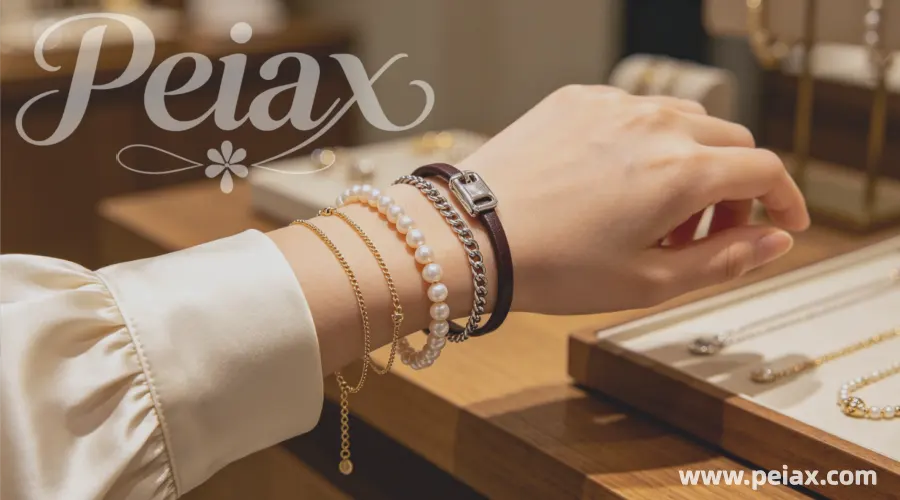
More Than an Accessory
Bracelets may seem like simple style accessories at first, but their significance extends beyond fashion into personal style and cultural meaning. The choice of layered bracelets or gemstone bracelets can reflect individual expression.
Cultural Symbols
Bracelets signify membership in numerous cultures and come in various bracelet types. In South Asia, bangle bracelets denote marital status and are ritual dress. In West Africa, bead patterns can indicate age group or clan affiliations. Religious groups employ wristwear as markers as well, such as thread bracelets for protection or metal bangles symbolizing faith commitments. Materials matter: gold or precious stones often signal wealth and rank across cultures, while woven cords can signal humility or community bonds. Certain bracelets, like gemstone bracelets, serve as spiritual instruments, such as prayer beads used to tally mantras. Decisions around color, pattern, and material provide a terse visual vocabulary with which we convey values, beliefs, and social status.
Historical Markers
Bracelets can document history in miniature, showcasing various bracelet types like military ID bands, engraved cuff bracelets, and commemorative bangles that denote service, accomplishment, or survival. These stackable bracelets are already archaeological finds as trade goods and status symbols for thousands of years, tying the history of personal adornment to a wider economic and social history. Heirloom bracelets, worn and passed down from generation to generation, with dates, initials, or tiny inscriptions, bind family stories to time and place. Even fashion trends tell history: the shift from ornate Victorian bracelets to streamlined Art Deco cuffs reflects wider changes in taste, technology, and social roles.
Personal Stories
A bracelet can serve as a present from someone special, a memento of an achievement, or a source of daily solace. We wear friendship bracelets to show our allegiance, medical alert bracelets for protection, and charm bracelets that gather tiny mementos associated with life experiences. Some opt for magnetic or copper bracelets based on alternative medicine claims, while others prefer layered bracelets for a more stylish look. Distinctive or attention-grabbing designs, such as gemstone bracelets, are natural conversation starters, allowing wearers to strut their stuff and share tales of adventure, philanthropy, or artistic flair. For many, a bracelet is an intentional choice: a way to show personality, mark a moment, or keep a memory close.
Function Meets Form
Function Meets Form: It can deliver data, monitor wellness, bolster faith, or just plain be stylish. In the sections that follow, we explore different categories of wristwear, revealing what to expect from layered bracelets and how selections of material and design influence both wear and function.
Wearable Tech
Wearable tech fuses sensors, batteries, and screens into bands strapped to your wrist. Fitness trackers tally steps, heart rate, and sleep patterns. Smartwatches introduce notifications, GPS, and apps. Design choices matter: a silicon strap is light and good for workouts, while a stainless steel or leather bracelet reads more formal. Mixed designs seek to be unobtrusive; a slender tracker tucked into a stainless steel link bracelet or an interchangeable band model that allows consumers to dress a device up or down. Some folks choose tech first for features and then discover a model to fit their personal style, including options like layered bracelets or charm bracelets. Others begin with the appearance and compromise on functionality. Battery life, water resistance in meters, and sensor accuracy are functional strikes to get out of the way prior to purchase.
Medical Alerts
Medical alert bracelets are practical by nature and typically styled to coordinate with everyday wear. They can showcase engraved messages or even store NFC medical information, making them a vital accessory. Materials vary from rugged medical-grade silicone for all-day wear to elegant silver or gold that complements jewelry collections. It is hard to get a rigid bracelet off in an emergency, and flexible bands are more comfortable, providing closer contact for embedded devices. For allergy sufferers, hypoallergenic metals avoid skin reactions. A medical alert can be subtle, such as a thin chain bracelet with a discreet tag, or more ostentatious, depending on the wearer’s needs and preference for form versus function.
Spiritual Tools
Spiritual bracelets hold intent, prayer, or ritual while acting as wearable sigils. Beaded mala and rosary bracelets, along with cuff talismans, utilize wood, gemstone, or metal to communicate significance and provide tactile concentration. Gemstone bracelets tend to connect to attributes, such as amethyst for tranquillity and hematite for centering, yet these connections differ across societies. Design affects use. Stretch bracelets ease counting prayers, while layered bracelets hold charms for milestones. Many wearers pair spiritual pieces with other bracelet types, stacking texture and intention to create a unique style while maintaining a visual equilibrium. The end result is personal.
The Art of the Stack
A well-articulated stack of layered bracelets feels like one organized decision, not a chaotic heap. Contrast provides visual interest and dimension. Thoughtful blending of metals, textures, and scales keeps a stack of bracelet types feeling casual yet curated. Here are practical ways to build a stack that works across styles and settings.
Mix Metals
Combine metals such as 18K yellow gold, sterling silver, and black titanium for dimension and intrigue in your wristwear. A yellow gold chain next to a thin silver bangle and a matte black titanium cuff creates contrast that remains cohesive when the pieces resonate with a common line or motif. Choose one metal to be your dominant anchor for the look, and accent with two smaller pieces in another metal. A silver bracelet can slice and shift the register of everything around it, serving as an accent that lightens up warmer hues. When matching with watches, align the watch metal to the anchor piece for a sophisticated bracelet look.
Play with Texture
Mix sleek metal bands with knotted cord styles, macrame bracelets, or leather for an off-duty layer that still feels polished. Incorporating layered bracelets and textured leather brings in a laid-back element. Delicate chainwork or shiny bangle bracelets ensure the stack doesn’t skew too casual. Try a sequence: polished bangle, knotted cord, thin rope chain, leather strand. Different textures are interesting — the eye bounces from gloss to matte to weave. Consider color restraint: neutral leather and cord work globally and won’t clash with metal tones.
Balance Scale
Keeping proportions balanced is what matters when styling your wristwear. An odd number of bracelets, say three or five, tends to feel kinetic but unified. Lay the biggest or heaviest piece, such as a bold cuff bracelet, down by your wrist bone, then stack smaller, finer pieces like delicate layered bracelets outward. For a timeless twist, stack one wrist and leave the other bare or with a single statement bracelet. It adds polish without the mess. We’ve all heard, by now, to scale the width of bracelets to your arm. Slim wrists need slimmer chains, while broader wrists can pull off chunkier styles. Respect the negative space; tiny openings allow each piece, including gemstone bracelets, to shine and prevent visual exhaustion.
Choosing Your Collection
Picking bracelets begins with understanding what you require and how items like layered bracelets and gemstone bracelets will function with everyday life and festivities. Consider where you will wear them, how they complement your outfits, and if you prefer pieces with sentiment or simply aesthetic. What you wear fits, flexes, and functions just as much as it looks.
For Your Business
Think professional settings initially. Pick subtle metals and slender profiles that won’t snag papers or sleeves. One fine chain or skinny bangle plays beautifully with sharp shirts and jackets. For client meetings, pick neutral shades like silver, gold, or rose gold and steer clear of loud charms or giant stones that distract.
Comfort is the name of the game when it comes to long work days. Add approximately 1.3 centimeters (half an inch) to your measured wrist size for a comfortable fit. Adjustable lengths come in handy as your wrist expands and contracts with temperature change or you add a watch stack. Stack one skinny with a watch for balance, or let a single, slightly chunkier cuff be your signature. Go for items that can easily shift from day to night so you can seamlessly move from the office to dinner without a complete change of clothes.
For Your Style
Expressing personality is simplest with varied types of bracelet styles. Charm bracelets display memories or values, while bar bracelets allow for custom engravings. Multi-layered sets, including layered bracelets, add texture and dimension to your wrist look. You can opt for a more premium appearance by mixing beaded strands, thin chains, and leather for contrast. For an effortless, worn-in appearance, consider stacking three dainty bracelets at different lengths or pairing metal hues for a streamlined vibe.
Think about messages and customization when selecting your jewelry. Some collectors favor bracelets with motivating messages as daily reminders. Engraved bars or tiny charm plates work well, and personalized icons can signify goals or keep you mindful. Adjustable bracelets, such as stretch bracelets, accommodate growing wrists and simplify the hassle of sharing or gifting.
Consider the occasion and attire when choosing your wristwear. Daytime events demand lighter, more durable fabrications, while evenings permit statement pieces or shine. Bracelets can transition from casual to formal when mixed; for example, pairing a simple chain bracelet with a jeweled cuff can provide a quick upgrade. Experiment with mixing, matching, and layering to discover unique combinations that suit your schedule and mood.
Conclusion
Bracelets provide obvious opportunities to display fashion, emotion, and intent. Metal cuffs survive daily wear. The beaded strands add color and warmth. Leather wraps provide a casual, lived-in vibe. Fitness bands count steps and heart rate while dress bracelets elevate an outfit for a night on the town. Stacking combines delicate chains, statement cuffs, and charm pieces for a personalized style.
Select styles that fit habits and preferences. Begin with one staple bracelet. Sprinkle in some of the occasion ones. Mix textures and sizes for contrast. Pair a warm gold cuff with a skinny silver chain for contrast. Keep care simple: wipe metals, avoid harsh water, and store soft items flat.
Discover designs, try mix and match, and assemble a collection that suits your lifestyle. Need outfit inspiration or a starter collection list? Drop me a line about your style and I’ll recommend three bracelets to start.
Frequently Asked Questions
What are the main types of bracelets I should know about?
They are bracelets, including popular styles like bangle bracelets, cuff, beaded, charm, leather, and tennis. Each bracelet type varies by construction, material, and clasp, helping you align fashion with function effortlessly.
How do materials affect bracelet durability and care?
Metals such as gold and stainless steel don’t corrode, making them ideal for various bracelet types like bangle bracelets and cuff bracelets. Silver requires polishing, while leather, often used in stylish leather bracelets, needs to be conditioned occasionally to maintain its appearance.
Can I wear multiple bracelets together without looking messy?
Yes. Balance width with texture and color by incorporating layered bracelets as a statement piece, then complement with thinner or matching ones. Limit to 2 to 4 pieces for most wrists to keep the look purposeful.
Which bracelet styles work best for daily wear?
Tennis bracelets, layered bracelets, and sturdy leather bands work best for everyday wear, integrating comfort, reliable clasps, and fabrics that stand up to daily wear.
How do I choose bracelet size for a comfortable fit?
Measure around your wrist and add 1 to 2 centimeters for a tight fit or 2 to 3 centimeters for something looser, especially when considering elastic bracelets or adjustable bracelet types.
Are bracelet metals safe for sensitive skin?
Hypoallergenic options for wristwear include surgical stainless steel, titanium, and 14k plus gold, while it’s best to avoid nickel-plated materials if you’re sensitive to certain bracelet types.
How do I match a bracelet to an outfit or occasion?
Match formality and color: delicate metals for formal events, leather or beaded bracelets for casual looks, and bold cuff bracelets for statement outfits. Think about scale with sleeve length and overall wristwear accessories.
Article author: Peiax | China Jewelry Supplier
Original source: https://www.peiax.com/types-of-bracelets/