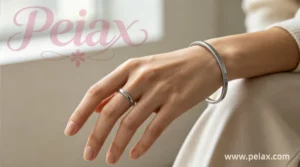

Does Brass Turn Green? What You Need to Know for Your Jewelry Business
- August 5, 2026
- 19:07
Yes, brass turns green as its copper content reacts with oxygen, moisture, and other substances in the air. That green stuff is called patina and it often appears as blots or lines before it completely covers the surface. In lots of cases, the patina guards the underlying metal, so some individuals leave it where it is for a classic or weathered appearance. On jewelry, fixtures, or hardware, the green can discolor skin or fabric and indicate the brass requires maintenance. To figure out when patina is useful, when it is an issue, and how to remove or avoid it, the following sections break things down step by step.
Table of Contents
ToggleThe Green Patina Chemistry
Brass jewelry tarnish occurs when its copper component reacts chemically at the surface, leading to verdigris, a green discoloration that forms a thin layer of copper salts on the brass piece.
1. Copper’s Role
Copper is primarily responsible for brass’ ability to transform from bright gold to green. When air and moisture come in contact with the surface, copper atoms give up electrons and combine with oxygen, carbon dioxide, and water. That reaction builds up a layer of copper salts, called verdigris, that can appear green or bluish-green depending on the precise mix of compounds. You see this same effect on old copper roofs, bronze statues, and weathered brass door handles.
Verdigris is the generic term for a series of copper salts of acetic acid. These salts are mildly toxic, which is important if brass items contact skin frequently, food, or beverage. The blue-green color doesn’t need decades to display. In the proper environment, it can develop within days, particularly wherever brass is subjected to moist air and acid residue from pollution, perspiration, or detergents.
2. Zinc’s Influence
Brass isn’t copper either. Zinc is mixed in to alter color and behavior. Higher zinc content slows thick green patina formation too because there’s less copper at the surface to react. Instead, it might exhibit increased dull brown tarnish or those strange pink spots where the copper has been leached and the zinc-rich areas corrode differently.
In harsher environments, coastal air or acidic urban pollution, zinc can actually corrode faster than copper. That process, known as dezincification, results in a porous, compromised copper-rich layer that more readily forms verdigris. Zinc can both postpone and, under the wrong stress, indirectly accelerate green patina by altering the surface composition over time.
3. Environmental Triggers
Moisture is the main driver. Humid air, condensation on outdoor fittings, or indoor steam all help ions move and push the surface reactions. Close to seas or large lakes, patina is more aggressive as salt in the air accelerates corrosion and fosters layers of unevenly thick green on brass door hardware, boat parts, or exterior lamps.
Acids are important. Acetic acid from vinegar, the organic acids in fingerprints and sweat, or weak industrial pollutants in city air all fuel the green patina chemistry. That’s why brass, often touched by bare hands like railings, can display patchy green spots quicker than a sealed decorative piece behind glass.
Temperature and light provide supporting roles. Warmer temperatures make the reactions run faster and wet/dry cycles stress the patina, allowing new layers to grow and old layers to crack. Inside, in consistent dry air, brass might merely darken a little, while the same alloy outdoors can accumulate a visible green layer in no time.
4. Patina vs. Corrosion
Patina is the surface layer that can serve as a protective coating against brass jewelry tarnish. Corrosion, on the other hand, refers to the more extensive metal loss and damage that occurs below this layer. Verdigris on brass, bronze, or copper can, in some cases, slow deeper attack by blocking direct contact with air and water. That’s why so many historic bronze statues maintain a carefully managed green patina rather than being scrubbed back to bare metal time and time again.
The chemistry of the green patina isn’t fully stable, and its appearance varies as the coating changes hydration and alkalinity. This shift can lead to brass tarnish color changes, moving from bright blue-green toward dull green, brown, or even almost black, much like the color changes seen on older architectural details or antique fittings. Over time, these transformations can impact the overall look of quality brass jewelry and other brass items.
For centuries, artisans have employed verdigris as a green pigment in art, from old wall paintings to illuminated manuscripts. These applications demonstrate the aging of the compound, with green areas frequently browning or darkening over time. Conservators have observed this in many pieces from Europe and elsewhere. The dynamic nature of patina on brass pieces serves as a visible record of ongoing, slow surface chemistry rather than a fixed, permanent finish.
Why Brass Turns Skin Green
Brass jewelry tarnishes and can turn your skin green due to the specific metal mix in your jewelry reacting with your body. It’s just basic chemistry involving copper, moisture, and mild acids on your skin. Typically, brass consists of 60-70% copper alloyed with zinc, meaning that copper is largely to blame for that green stain on your finger, wrist, or neck. When brass jewelry rubs against moist skin, the copper in the metal begins to react with sweat, natural skin oils, and trace amounts of acid on the surface. This reaction creates copper salts, primarily copper chloride and copper carbonate, which are the same kinds of green compounds you observe on old copper pipes or iconic landmarks like the Statue of Liberty. The green layer on your skin is essentially the same patina that forms on weathered copper, just in a very thin film.
Water and sweat are the two biggest culprits when it comes to brass oxidation. If you wear a brass piece in the shower, while swimming, washing dishes, or during a workout, you increase the moisture and salt on your skin. This mix accelerates the copper reaction and colors your skin with an even more intense green hue. Warm climates, high humidity, or simply using lotion and then slipping on your jewelry can make the reaction quicker and more obvious, as more moisture remains trapped under the metal.
Even higher-quality brass jewelry won’t escape this problem. That green mark is not an indication of low quality, imitation metal, or a defective plating. The copper itself causes the oxidation brass. Any brass with enough copper can stain your skin, whether it’s a cheap find or a high-quality, heavyweight bracelet from an established designer.
While the stain isn’t dangerous, it can be a nuisance and may appear unprofessional in social environments. To reduce it, you can create a barrier between your skin and the metal. A thin coat of clear nail polish or a purpose-made product like Eternal Jewelry Coating can help seal the surface so the brass item does not touch your skin as much. Reapply when the coating chips or wears off, particularly on rings that grind against hard surfaces frequently.
If you want to avoid the green completely, consider jewelry options made from metals without copper as their primary ingredient, such as titanium, stainless steel, or 925 sterling silver, which do not produce this same green-skin phenomenon.
Preventing The Green Hue
Brass jewelry tarnishes and turns green due to the copper reacting with water, sweat, and common chemicals. Applying a protective coating can slow this brass oxidation, keeping both the brass piece and your skin looking clean.
Protective Coatings
A thin barrier between brass jewelry and your skin significantly reduces the green discoloration. Clear nail polish serves as a typical, inexpensive solution. By applying a light coat on the inside of a ring or the back of a pendant, you can block sweat from contacting the metal, which slows the copper reaction that forms green brass tarnish. The same principle applies to transparent jewelry lacquers or metal-specific sealants, which outlast and chip less than nail polish.
Professional coatings, such as clear epoxy or polyurethane, provide a robust protective layer for items like daily rings or watches. These coatings are beneficial for brass items and other copper-based metals, such as many bronze alloys and even sterling silver, which is composed of 7.5% copper and can also leave a green hue, though often not as pronounced as untreated brass. Fine silver at 99.9% is much less likely to cause skin irritation, but it’s softer, so many people tolerate some copper for enhanced strength.
Even with these protective coatings, it’s essential to check high-friction areas. Any worn or flaked sections can expose the brass piece again, potentially returning the green tint within an hour for those with more acidic skin pH.
Proper Storage
How you store brass changes how fast it corrodes.
Keep chunks dry. Humid air accelerates the same corrosion that turns skin green, so skip baths or soggy drawers. A no-frills box with a few of those silica gel packets or something else drying helps.
Keep them in soft pouches or individual compartments. This minimizes scratches that break coatings and reveal fresh metal. Over time, those small breaths can lead to patchy green stains on both jewelry and skin.
Keep chemicals away from stored brass. Harsh detergents, chlorine, or cosmetics may remain on the surface and react later.
Daily Handling
Daily habits are as important as any protective coating on your brass jewelry. Sweat often acts as a key catalyst for brass oxidation. When brass jewelry is worn during workouts or in hot, muggy weather, it tends to corrode at a quicker rate, leading to brass tarnish that can leave a green discoloration on the skin. Brass and other copper-heavy items, including certain inexpensive alloys, can cast a green impression in less than an hour for some wearers.
To maintain the quality of your brass pieces, it’s best to ditch them before showering, swimming, or handwashing. Water, soap, and chlorine contribute significantly to the dissolution of copper, forming green corrosion. After wearing your brass jewelry, wipe the pieces with a soft, dry cloth to prevent sweat and skin oils from sitting on the metal. This simple step helps stave off both jewelry tarnish and the unsightly green tint on your skin.
If you experience skin irritation frequently, consider buffering your jewelry. Apply a coat of clear nail polish to the areas that touch your skin the most—like ring bands and earring posts. Reapply as needed. Some opt for jewelry-safe barrier sprays that create a clear film, which can be effective for brass and common copper alloys, as well as sterling silver, although the latter tends to cause less discoloration.
For brass items that consistently cause skin discoloration, reserve them for occasional wear. Use them as statement pieces rather than for all-day wear. If a green hue appears, rest assured it is merely cosmetic and can typically be removed easily with gentle soap and water.
Choosing The Right Brass
Choosing quality brass jewelry involves more than just considering color or style; the mix of alloy and surface finish, along with its intended use, significantly impacts how quickly brass tarnish occurs and the maintenance required.
Alloy Composition
Brass is an alloy of copper and zinc, and the specific brass type determines how quickly it tarnishes or turns green. High-copper brasses typically patina more quickly since copper is more reactive to air, moisture, and pollutants. Conversely, high-zinc brasses can appear brighter but may be susceptible to dezincification in corrosive environments, which can lead to the weakening of the brass item over time. This process leaves the material porous and prone to tarnished brass stains.
Architectural brasses often strike a balance, incorporating just enough copper for a warm tone while maintaining strength from zinc. This balance translates into great door hardware, cabinet pulls, and light fixtures. For plumbing parts or fittings that frequently encounter water, manufacturers often select alloys with improved resistance to dezincification, especially in areas with treated or hard water. If you are located near the coast or in a high-humidity, polluted city, understanding the effects of brass oxidation is crucial, as the air can accelerate tarnishing.
When comparing products, check if the manufacturer specifies the alloy composition or describes it as “dezincification‑resistant” or “marine‑grade.” These labels are not just marketing; they indicate how the quality brass jewelry will weather in diverse environments, such as a boat deck or a beachfront cottage.
Surface Finish
Surface finish plays a crucial role in preventing or displaying brass tarnish. Lacquered brass features a clear coat that seals the metal from air and moisture, significantly reducing brass jewelry tarnish and making cleaning easy with just mild soap and water. This approach is particularly effective for light fixtures, indoor handles, and parts that you don’t clean with strong substances, as harsh cleaners and steel wool can scratch the coating and allow tarnish to form in patches.
Unlacquered brass, on the other hand, is exposed metal. It will darken and may develop green discoloration in spots, but many appreciate this living finish for the warmth and character it provides, similar to that found on antique brass jewellery like door knockers and railings. However, it requires more care: regular wipes with a soft cloth and gentle cleaners, and if you desire to slow the color change, applying a thin wax layer periodically is recommended.
In environments like wet kitchens, busy bathrooms, or coastal areas, even lacquered brass will need more frequent attention. Once that protective coating wears or chips, moisture can seep in, leading to streaks or rings that become challenging to scrub away.
Intended Use
Where and how you use brass may matter more than any single alloy choice. High-touch spots such as door handles, cabinet pulls, and faucets pick up skin oils, soap, and cleaning sprays every day, so they often need regular wiping with mild soap and water to stay even in color. In kitchens and baths, many people choose coated or brushed finishes because they hide fingerprints and slow obvious tarnish.
Outdoor fixtures, house numbers, mail slots, and garden taps are exposed to rain, UV light, dirt, and even salt air in some locations. Brass in these spots will tarnish and may spot or turn green much faster, so more frequent cleaning and, in some cases, a protective wax or clear lacquer layer help hold back corrosion. For boats, seaside homes, or pools, it’s often worth paying more for brass sold for marine or heavy-duty applications because those alloys and finishes are selected to manage moisture and salt.
Indoor decorative items such as lamps, frames, and candle holders offer you more leeway. Unlacquered brass like this can age into a beautiful rich, even patina, and the chances for heavy green build-up are less if the room remains pretty dry and you dust it frequently. Hard scrubbing still does damage, so soft cloths and non-abrasive products maintain the surface and make it easier to deal with in the long run.
Cleaning Your Brass Jewelry
Cleaning your brass jewelry not only prevents dull build-up but also helps slow down brass tarnish, which can lead to green discoloration on skin. Daily maintenance safeguards plating or stones and extends the lifespan of every quality brass piece.
Gentle Methods
Mild cleaning does the trick for daily tarnish. Warm water and a drop of mild dish soap do the trick for most pieces. Dip a soft cloth or very soft toothbrush in the soapy water, wipe the brass, then rinse in clean water and dry immediately with a lint-free cloth. This easy regimen fits straightforward bangles and pendants you frequently sport.
If a deeper clean is needed, a quick soak will assist in removing tarnished brass. One popular solution is a mixture of equal parts vinegar and water. Pop your brass items into the solution for around 30 seconds maximum, then rinse well with running water and dry thoroughly. Leaving it longer or skipping the drying step can increase the chance of spotting or quicker brass tarnish, especially in humid locations.
While others swear by household remedies such as ketchup on plain brass, a little dab on a cloth, rubbed over the surface and left for a minute or so, can loosen light tarnish. Rinse and buff dry with a clean cloth. Do this with caution and not on pearl or soft stone or mystery-coated pieces.
Commercial Solutions
When home methods fail to provide enough shine, there are effective commercial brass cleaners and polishing cloths to consider. These specialized brass cleaners are designed for metals like brass and include straightforward application and safety guidelines. They often strip heavier brass tarnish more quickly than vinegar or soap, making them a reliable choice for maintaining your brass jewelry.
Always read labels for warnings about plating or gemstones, and be sure to conduct a spot test on a small hidden area first. Avoid products with harsh chemicals or gritty particles, as these can damage the intricate details of your brass pieces. After using any cleaner, rinse as directed and dry thoroughly, paying special attention to clasps and crevices.
If you notice green discoloration on your skin, cleaning alone may not suffice. Applying a jewelry sealant or clear nail polish on the parts that touch your skin can create a protective layer. This coat will wear off over time, so remember to re-coat when you see metal peeking through.
Polishing Techniques
Polishing brass jewelry should enhance its shine without removing too much material or damaging any thin brass layer. A soft cotton or microfiber cloth, applied with light pressure, is generally enough to achieve a polished look. Work in small circles and frequently check the surface to avoid over-polishing raised designs or engravings. It’s crucial to avoid using steel wool, stiff brushes, or abrasive pads, as they can scratch the brass and exacerbate tarnishing. For a high shine, consider using a specialized brass polishing cloth, ensuring gentle strokes near edges and settings.
Maintaining your brass jewelry involves more than just polishing; daily habits play a significant role. Always remove brass items before handwashing, swimming, or exposure to harsh chemicals like bleach. Sweat, chlorinated water, and cosmetics can accelerate brass oxidation, leading to unsightly green discoloration on the skin. After wearing, wipe down your jewelry with a dry cloth and store it in a dry environment, such as a fabric pouch or box, to help prolong its lifespan and minimize tarnish.
By following these tips, you can keep your quality brass jewelry in excellent condition. Regular maintenance not only preserves its beauty but also prevents issues like skin irritation from tarnished brass. Remember, a little diligence goes a long way in ensuring your brass pieces remain stunning and free from tarnish.
The Patina Business Advantage
Patina isn’t just chemistry. It can be a design and business decision. When brass goes green, that patina coating can transform the appeal, longevity, and maintenance or replacement frequency of a product.
For a lot of ornamental goods, patina is value. A brass door handle with a soft green overtone, a lamp base with dark edges, or a sign with a mottled surface can appear more “settled” and upscale than a shiny, new coating. That vintage appearance is difficult to replicate with paint or finish, so organic patina can turn into a quiet sign of craftsmanship. In hospitality spaces, museums or upscale retail, companies frequently choose brass or copper intentionally because that change in color lends itself to a warm, worn aesthetic.
Patina doesn’t arrive with equal pace in all instances. Certain brass components can begin to develop patina within days or weeks, for instance, in moist coastal air with salt and other pollutants. Some, in dry indoor environments, might require years before developing such richness of color. This timing is important in strategizing brand touchpoints. A hotel lobby rail that goes green too quickly might conflict with a “clean and bright” brand. The very same rail in a bar that’s shooting for an old-world ambiance might be ideal.
Patina’s risk side is important as well. On brasses and coppers, the green skin is usually stable and thin, but in severe environments, it can be indicative of more extensive corrosion. In industrial or marine use, that can compromise components and increase safety concerns and expenses. Firms then have to determine how much patina they permit before they intervene with cleaning, coating, or substitution. Some employ accelerated patina techniques, such as chemical dips or fume aging, to seal in a vibe in a controlled manner rather than relying on unpredictable elements.
From a cost perspective, selecting metals that age beautifully can reduce long-term expenditure. A brass sign that grows a patina over ten years does not have to be painted. A fixture that glosses over hairline dings beneath a thickening patina probably endures in use for a bit longer. Some customers adore that tale of ‘material that ages with you,’ whereas others anticipate a pristine, like-new facade, so brands must align material selection with user preference.
Conclusion
Yes, brass turns green. That green film is just the metal exposed to air, sweat, and water over time. On skin, it can manifest as light green staining after a hot day or an intense gym session. On items, it may appear as blotches or streaks.
Certain people dig that style. A cuff with soft green at the edge can smell old-timey and authentic. A store that offers “patina ready” rings can lean into that narrative and use it as a selling point.
To keep brass in good shape, pick the right alloy, clean on a set plan, and stay clear with buyers. For your next step, check your own brass piece, spot the first signs of green, and decide if you want to keep it, slow it down, or shine it off.
Frequently Asked Questions
Does brass always turn green over time?
Brass can develop a green discoloration from moisture, sweat, and air exposure. While this tarnishing does not occur immediately or in all environments, proper storage and protective coatings can help delay the oxidation process.
Is the green color on brass harmful to skin?
The green color layer on brass jewelry is primarily copper salts from the brass alloy. For most individuals, this tarnished brass is not harmful, just irritating. However, metal sensitivities or allergies could lead to skin irritation. If you experience redness or itchiness, discontinue use of the brass item and see a specialist.
Why does brass jewelry turn my skin green?
Your sweat, skin oils, and body chemistry interact with the copper in quality brass jewelry. This interaction can lead to brass tarnish and produce green discoloration that can stain your skin. Higher humidity, more sweat, or acidic skin amplify the possibility of tarnishing.
How can I prevent brass from turning green?
Store brass jewelry dry and clean to prevent brass tarnish. Use a clear jewelry sealant as a protective coating. Regular light cleaning inhibits patina formation and maintains the polished look of your brass pieces.
What type of brass is best to reduce green staining?
Brass with higher zinc and lower copper content tends to stain less, making it a great option for quality brass jewelry. Additionally, nickel-free and lead-free brass is kinder to sensitive skin, reducing the risk of skin irritation and green discoloration.
How do I safely clean green patina from brass jewelry?
To maintain the polished look of your brass jewelry, use mild soap, warm water, and a soft cloth. For stubborn brass tarnish, rub with a mild baking soda and water paste. Avoid harsh chemicals or hard bristled brushes that could scratch the brass piece.
Can patina actually be a good thing for brass items?
Yes. A managed patina can shield the surface and lend brass jewellery a distinct, aged appearance. Many designers and companies are switching to using patina as a design feature, offering “pre-patinated” brass items for character and color while controlling hardness and customer comfort.
Article author: Peiax | China Jewelry Supplier
Original source: https://www.peiax.com/does-brass-turn-green/
Menu