Does Pewter Tarnish? A Complete Guide to Pewter Discoloration & Aging
- August 19, 2026
- 21:00
Does pewter tarnish is often asked regarding the metal’s maintenance. Pewter acquires a dull film that darkens with exposure to air, skin oils and acids. Modern pewter alloys with higher tin content resist deep corrosion but still exhibit surface alterations that impact shine. Humidity, salt and handling accelerate the dulling, while polished finishes and coatings slow it. For the majority of pieces, simple cleaning with mild soap, warm water and a soft cloth will restore the luster. We cover alloy types, cleaning methods and long-term care below so you can pick the right routine for antique or everyday pewter pieces.
Table of Contents
ToggleUnderstanding Pewter Tarnish
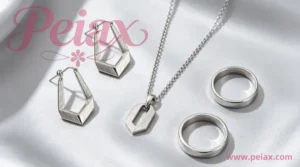
Pewter is a valuable alloy primarily of tin, with differing additions that affect its characteristics and appearance. This fine pewter jewelry showcases the enchanting satin finish, making it a popular choice among jewelry makers and collectors.
1. The Composition
Pewter alloys, primarily composed of tin at 85% to 99%, incorporate copper and antimony to enhance the metal’s strength and hardness. Fine pewter jewelry, known for its high tin purity, maintains a bright, silver-like shine while resisting tarnish. Contemporary craftsmen often avoid lead, as vintage pewter pieces may contain it, leading to a quicker formation of dark tarnish. Variations in the alloy, such as increased copper or antimony, can affect the color, hardness, and rate of oxidation, making it essential for jewelry makers to understand these factors.
2. The Process
Tarnish occurs when pewter jewellery’s surface interacts with oxygen, moisture, or chemicals, leading to the production of grey oxides. Sulphur compounds and acids can accelerate this reaction, meaning exposure to household chemicals, certain foods, or polluted air can cause faster blackening of your fine pewter jewelry. Simple cleaning can slow the process: washing with hot, soapy water often lifts a lot of dirt and light tarnish. A home polishing paste made of 1/2 cup white vinegar mixed with 1/4 cup white flour can remove heavier film. Additionally, 1/2 teaspoon of salt provides a mild abrasive for satin finishes. For tenacious spots, lightly rubbing with 600-grade emery paper is effective, but use only with caution to prevent scratches. Pewter’s low melting point impacts casting and repair, not tarnish.
3. The Appearance
New pewter jewellery showcases a soft, warm silver gleam that can age into a fine pewter patina or darken to a dull grey and charcoal when oxidized extensively. A gentle patina is welcome, while a thick black coating often indicates chemical damage or the presence of an ancient lead-bearing alloy. Scratches, dings, and leftover residue from inappropriate cleaners can make tarnish seem worse. New, softly aged, and heavily tarnished pewter pieces all exhibit different lusters, tones, and surface textures that aid in their care.
4. The Difference
Pewter jewellery tarnishes more slowly than sterling silver and rarely blackens unless exposed to harsh chemicals or ancient lead. Older, lead-containing pewter will tarnish more than newer, lead-free pewter. Proper storage, washing, and careful polishing will preserve both the appearance and value of fine pewter jewelry.
Why Your Pewter Changes
Pewter is a tin-based alloy, typically containing over 90% tin along with small amounts of copper, antimony, bismuth, and sometimes silver. This high tin content lends pewter its warm, silvery-gray appearance, but it also makes the metal more vulnerable to environmental factors, handling, and chemicals. These elements can work together to cause oxidation on pewter jewellery. Skin oils and sweat can leave residues that change the finish, while household chemicals may accelerate corrosion or lead to spot discoloration. Understanding these factors can help you maintain your fine pewter jewelry and avoid surprises with your cherished pieces.
Air Exposure
Extended exposure to air causes slow oxidation and a thin oxide layer to develop on pewter jewellery. This patina can appear as darkening, dulling, or light spotting, which some collectors treasure, while others prefer their fine pewter jewelry sparkling. To limit exposure to oxygen and slow the rate of change, keep pewter pieces in airtight containers or soft pouches. Avoid hanging pewter jewelry in direct sunlight, as heat and UV can accelerate color shifts and degrade any sealants. Regular cleanings to remove dust and airborne pollutants are essential since dust traps moisture and acids from the air, making surface alteration more likely.
Skin Contact
Skin oils, sweat, and lotions can react with fine pewter jewelry, leading to fingerprints, residue, and potential dulling. To prevent the transfer of tarnish-accelerating salts and acids, take off rings, bracelets, and necklaces before working out, heavy-duty housework, or applying makeup. A few folks may experience skin reactions, including itchiness, redness, and blotchiness, potentially due to pewter’s copper content or other trace metals. Although allergies can occur, they are quite uncommon. After wear, wipe your pewter pieces with a soft, dry cloth to remove oil and salt, maintaining a smooth finish and slowing long-term wear.
Chemical Reactions
Common chemicals, including some household cleaners, perfumes, chlorinated water, and acidic foods, can quickly tarnish or corrode fine pewter jewelry. Never clean pewter in dishwashers, as these harsh detergents and scalding heat can warp or pit the pewter alloy. For regular cleaning, use mild dish soap and warm water, and dry immediately. Silver or brass polishes available commercially will likely be too harsh for fine pewter and can strip away fine surfaces or coatings. Maintain a ‘stingy-substance’ list and keep your distance.
Modern Versus Antique Pewter
Modern and antique pewter jewellery vary in composition, finish, and aging process, which influence tarnish, safety, and appearance. Antique pewter was frequently cast with changing alloys that occasionally contained lead. Over the years, this older metal tends to develop a sleek, uniform grey patina that darkens and wears in a manner aficionados cherish. The look is muted; weight, color, and surface finish feel more subtle than modern pewter pieces. Antique makers employed slower, hand-led processes, so details are often softer and seams thicker. Basic maker’s touch marks or an unadorned “Pewter” stamp are typical, and the piece frequently offers a more muted thud when tapped, not the bright clang of silver.
Modern pewter is lead-free and typically a little higher in tin, making it safer for jewellery and tableware. Manufacturers today employ casting, spinning, machining, and other more repeatable processes, which results in a more consistent pewter alloy and purity than much of the antique production. That uniformity means that modern pewter retains a lighter, silver-like finish for longer and exhibits less rapid tarnishing. Modern pieces can have more intricate stamps or signatures and can include more delicate raised, hammered or spun details and smoother seams. The shinier, homogenized surface attracts those who desire high-luster fine pewter jewelry without the upkeep.
Tarnish resistance and safety are inseparable. Antique pewter will darken faster and develop that distinguished patina so many collectors appreciate. The patina imparts history and can enhance resale or display value. For daily use or commercial products, modern lead-free pewter has obvious hygienic merits and more consistent coloration. B2B buyers should weigh those trade-offs. Antique-style finishes can be imitated on modern alloys if the vintage appearance is preferred but lead danger isn’t.
Practical signals help identify age and likely behavior: a dull, muted surface, heavier feel, and simple stamp suggest an older piece that will patina. A shiny, even surface, regular weight, and delicate stamps indicate recent production and slower oxidation. Cleaning and care differ too: antiques benefit from gentle, minimal cleaning to preserve patina. Modern pewter takes more polish if a bright appearance is desired.
How to Maintain Pewter
Pewter jewellery wears well with minimal care; frequent cleaning and proper storage ensure that fine pewter jewelry and ornamental pieces maintain their untarnished appearance and avoid permanent dulling or damage.
Gentle Cleaning
For routine cleaning of fine pewter jewelry, use a soft cloth or a soft-bristled toothbrush with a few drops of mild dish soap and warm water. Wash gently to lift oils and light soils, rinse thoroughly with warm water and pat dry with a soft, lint-free cloth to avoid water spots. For most items, a wash in hot, soapy water first will banish grime and light tarnish without danger.
For tougher tarnish, try a polishing paste: mix 120 ml (1/2 cup) white vinegar with 60 ml (1/4 cup) white flour to form a paste. Apply for about 30 minutes, then rinse and dry. As a last resort, use a fine grade emery paper (600 grit) to remove localized spots. For satin-finish pewter, add 1/2 teaspoon of salt to the paste for a gentler abrasive. No abrasive pads, stiff brushes, strong acids, or ammonia-based products will scratch, etch, or dull fine finishes. Polish infrequently; only when the piece has grown dull. Then, choose a silver polish marked safe for pewter. Rub in polish with a soft cloth, allow to stand for a few moments, then buff off gently.
Proper Storage
To maintain the beauty of your pewter jewellery, store it in a dry, cool environment, ideally within a soft pouch or lined jewelry box to prevent scratching and minimize air exposure. Keeping your fine pewter jewelry away from other metals and costume pieces is crucial to avoid any unwanted chemical reactions or coating transfer. Small zip bags or separate compartments work wonders for organization.
Avoid direct sunlight and heat, as fine pewter softens at relatively low temperatures, around 245°C or 470°F. Prolonged exposure to heat can lead to discoloration or distortion, making it essential to mark storage boxes to distinguish modern pewter from antique pieces, which require more careful attention.
Protective Measures
Wipe over with a thin coat of neutral wax polish to provide a barrier against moisture and oxidation, ensuring your fine pewter jewelry retains its untarnished appearance. Wear gloves or handle objects with a soft cloth to minimize skin oil transfer and protect these valuable pieces.
- Keep waxed, dry, and wrapped.
- Store separately and avoid heat.
- Handle with clean hands or cloth.
- Clean on a set schedule based on use.
The Patina Paradox
Pewter can attain that patina that resonates of character, not rot, showcasing its value as a valuable alloy. This patina develops gradually as the fine pewter alloy is exposed to air, light, contact, and surroundings, making it a popular choice among jewelry makers. It is generally consistent, fixed, and visually integral to the object, indicating age and genuineness to collectors.
Desirable Aging
A gentle, uniform patina imparts pewter jewellery with the antique air valued by collectors and artisans. Just as bronze sculpture or early furniture benefits from mellowing surface shifts, gently aging pewter narrates a story and rings true. Controlled aging enhances understated elegance. A pewter ring with a faint, warm dulling across high points looks like a small treasure rather than a fresh factory piece. Provide a variety of finishes—high polish, satin, lightly aged—to satisfy different preferences. Some of your customers crave bright shine, while others want the quiet depth of an older finish. Good care maintains that patina as stable and does not affect durability or long-term value. In fact, a well-managed patina can be a selling point for fine pewter jewelry and heirloom-style pieces.
Unwanted Damage
Not all patinas are good, especially when it comes to fine pewter jewelry. Deep scratches, black coating, pitting, or uneven blotches indicate damage rather than a desirable patina. Tarnish and corrosion from harsh chemicals, salt, or aggressive cleaning can appear sudden and unaesthetic. Incorrect techniques, such as scouring pads, harsh acids, or flame, will strip solid patina from pewter pieces, creating permanent damage. For valuable items showing serious oxidation, seek prompt restoration: gentle chemical neutralizers, professional polishing, or micro-abrasion done by a conservator.
Customer Perception
B2B buyers vary: some request polished stock for retail, others seek pieces that will age in situ.
Well-defined product and care instructions leave an expectation of how pewter will change. If you’re demonstrating The Patina Paradox, include before and after photographs or samples so prospective purchasers can immediately observe the spectrum from shiny to vintage. Distribute easy upkeep advice: no bleach or strong acids, mild soap, and dry immediately after to assist clients in maintaining patina level and preserving the desired look. Professional advice in listings and packaging establishes trust and minimizes returns.
Debunking Pewter Myths
Pewter tends to catch a bad rap, but understanding its history can change perceptions. This useful alloy has been utilized in jewelry for centuries by ancient Egyptians, Romans, and Celts. Today, modern pewter is lead-free and often nickel-free, making it a popular choice among jewelry makers. It ranks as the fourth most common metal in jewelry, dispelling many myths associated with it.
- Myth: Pewter tarnishes as fast or as badly as sterling silver. Reality: Pewter darkens over time but does not corrode like silver. It forms a stable, mellow patina rather than a flaky tarnish. The transformation is generally superficial and can be delayed with maintenance.
- Myth: Pewter is unsafe because it contains lead. Reality: Historical pewter sometimes used lead, but contemporary fine pewter is made from lead-free alloys. The majority of quality pieces are lead and nickel free.
- Myth: Pewter causes allergic reactions for most people. Reality: Many pewter items are hypoallergenic and suitable for sensitive skin. Choose certified lead- and nickel-free pieces to be safe.
- Myth: Pewter is flimsy and won’t last. Reality: Pewter is tough enough for daily wear but not shower-proof. It resists dents but can scratch if knocked or rubbed against abrasive surfaces.
- Myth: Pewter is as expensive as silver. Reality: Pewter is budget-friendly, often about one third the price of sterling silver.
Caring for fine pewter jewelry is straightforward. Simply wash with warm soapy water and a soft cloth to remove oils and dirt. For gentle polishing, a soft, dry cloth works best, avoiding abrasive scrubbers and chemical cleaners that can damage the finish. It’s also wise to keep these valuable pieces away from chlorine, perfumes, and strong acids. Using dry padded storage boxes can help slow patina formation and prevent scratches, ensuring your pewter remains in pristine condition.
The appearance of pewter varies widely, ranging from soft silver to charcoal grey, with many collectors appreciating the antique appearance that develops over time. If a shinier look is desired, this patina can be polished away, revealing the enchanting satin finish underneath.
Pewter is an economical choice for those seeking beautiful metal jewelry without the high cost of silver. For individuals with sensitive skin, it’s advisable to choose fine pewter that is labeled as lead-free and nickel-free, ensuring a safe and stylish accessory.
Conclusion
Pewter will tarnish. Fresh, new pieces become dulled by air, oils, and acids. Lead-free, modern pewter does not darken as quickly as old pewter. Simple cleaning and soft cloths maintain a shine. If a soft patina suits the piece, then let some wear stay. Use mild soap, warm water, and a paste of baking soda for light spotting. Skip the harsh scrubbers and acid cleaners that eat at the metal. Keep pewter in a dry area and wrap the items in a soft cloth to help slow down tarnishing. For heirlooms, try a test spot before any major clean. Need a quick care cheatsheet you can print or bookmark? I know I can do one with steps and product picks.
Frequently Asked Questions
Does pewter tarnish?
Modern pewter alloys, known for their enchanting satin finish, resist heavy corrosion, but exposure to sulfur, moisture, and oils can lead to tarnish on pewter pieces.
How can I clean tarnished pewter?
Wash your pewter jewellery with warm water and gentle dish soap, then wipe dry with a soft cloth. For mild darkening, use a baking soda and water paste, rub gently, rinse, and dry.
Will polishing pewter remove its value?
Polishing can diminish the value of antique pewter jewellery by removing the original patina, while for contemporary pewter pieces, polishing enhances its shine and is harmless if you utilize nonabrasive techniques.
Is pewter safe for food use?
Yes, most modern pewter jewellery is lead-free and food-safe. Always check the product label. Avoid using antique pewter for food without lead testing.
How do I prevent pewter from tarnishing?
To maintain your fine pewter jewelry, keep it in a dry location away from sulfur sources like rubber and wool. Wrap each piece in acid-free tissue and handle it with clean hands, as frequent mild cleaning helps prevent oxidation buildup.
What’s the difference between patina and tarnish?
Patina is a stable, frequently sought-after surface alteration that reveals age in fine pewter jewelry, while tarnish is typically an undesired chemical darkening that often necessitates cleaning.
Can abrasive cleaners damage pewter?
Yes. To maintain the enchanting satin finish of your pewter jewellery, avoid abrasive powders and metal brushes, which can scratch and strip the surface. Instead, clean it with soft cloths and gentle, nonabrasive cleaners only to protect the metal.
Article author: Peiax | China Jewelry Supplier
Original source: https://www.peiax.com/does-pewter-tarnish/
Menu