
About: stainless steel vs sterling silver Steel resists rust and scratches, plus it’s cheaper and lasts longer on wear. Sterling silver provides a luminous, traditional shine and is polishable to a high sheen, but it tarnishes and requires occasional maintenance. Both metals are hypoallergenic for many people, though certain alloys and finishes influence skin reactions. Which you choose comes down to budget, maintenance, and desired look. Below, we compare durability, care, cost, and style, and provide concrete examples to guide you in determining which metal suits varying needs.

Stainless Steel vs Sterling Silver
A quick comparison highlights the differences between stainless steel and sterling silver jewelry, particularly in composition, care, and aesthetic appeal. These distinctions significantly influence decisions for various jewelry pieces, including rings, chains, and everyday use.
1. Material Composition
Stainless steel is mainly composed of iron, chromium, and frequently nickel, making it a popular choice for jewelry, particularly in the form of stainless steel jewelry. Chromium, about 10–20%, creates a thin, invisible, protective oxide layer that prevents rust and provides corrosion resistance, enhancing durability. A lot of jewelry is made with 316L surgical stainless steel because it is low carbon and highly resistant to corrosion, along with a reduced nickel release. In contrast, sterling silver jewelry is 92.5% silver with 7.5% copper or other metals, allowing for intricate designs while maintaining malleability. Different stainless grades alter hardness and hypoallergenic properties, while various silver alloys impact color, malleability, and tarnish speed.
2. Everyday Durability
Stainless steel jewelry is far more resistant to scratches, rust, and oxidation than sterling silver jewelry, making it a popular choice for everyday use. It retains its shape against knocks and handles water and sweat without rapid deterioration. In contrast, sterling silver jewelry pieces reveal surface blemishes more readily and will oxidize over time from exposure to sulfur and air, although it can be polished back to shine. For gym, swimming, or outdoor activities, stainless steel pieces are the perfect option due to their enhanced durability and low maintenance requirements.
3. Visual Appeal
Stainless steel offers a high-shine, mirror finish and a cool, modern aesthetic, making it a popular choice in stainless steel jewelry. In contrast, sterling silver provides a warm shine and that traditional ‘luxury’ sensation valued in heirloom silver jewelry pieces. While silver is often selected for intricate designs due to its malleability, stainless steel lends itself well to bold minimalist forms, highlighting the differences between these two materials.
4. Required Maintenance
Stainless steel jewelry requires just a soft cloth and mild soap for maintenance, as it resists tarnish and retains its finish. In contrast, sterling silver jewelry pieces need polish and anti-tarnish storage when they darken. By keeping both types of jewelry separate to prevent scratches, you can enhance the longevity of your favorite silver pieces.
5. Price Point
Stainless steel is a popular choice for its enhanced durability and affordability, making it a great investment vehicle for everyday use. In contrast, sterling silver jewelry pieces, while more expensive due to their intrinsic metal value, can maintain or increase in value over time.
Your Customer’s Experience
Your choice between stainless steel jewelry and sterling silver jewelry significantly impacts comfort, skin health, upkeep, and long-term value. This segment breaks down those differences, allowing you to align product selections with customer experience and minimize returns or grievances.
Skin Sensitivity
Stainless steel, especially surgical-grade 316L, is a popular choice for those with sensitive skin due to its lower likelihood of triggering allergic reactions. Its enhanced durability and corrosion resistance make it ideal for customers who sweat or work outdoors. While certain stainless steel jewelry pieces may contain nickel, which can cause reactions in the ultra-sensitive, specifying the alloy or ensuring it is ‘nickel-free’ can help. On the other hand, sterling silver jewelry offers elegance but may irritate some wearers when alloyed with nickel or inferior-grade fillers. Providing both hypoallergenic stainless steel and nickel-free sterling silver jewelry options allows consumers to make informed decisions, ensuring they find the right jewelry material for their personal style.
Wearable Comfort
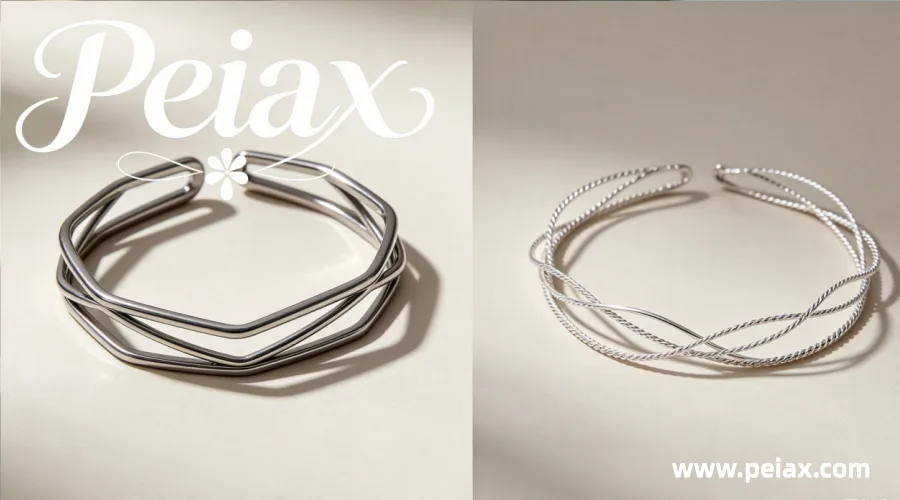
Sterling silver jewelry is lighter than numerous stainless steel pieces, making it a popular choice for everyday wear, especially in larger jewelry pieces like cuffs or statement necklaces. Both metals can be finished with smooth surfaces and rounded edges to prevent chafing. Polished sterling silver and brushed stainless steel offer distinct feels, enhancing their aesthetic appeal. Ergonomic design is crucial: thin bands, beveled edges, and balanced weight reduce pressure points in rings and bracelets. Gathering customer feedback on wear time, any irritation, and perceived weight helps you fine-tune size and style selections. For active customers, stainless steel’s enhanced durability and scratch resistance tend to be the daily choice. However, for those concerned about heirloom potential and easy resizing, sterling silver jewelry pieces will always win. Though sterling can tarnish quickly in humid, hot climates and requires regular upkeep, it buffs right back to a brilliant shine in minutes, making it a great investment vehicle in the jewelry world.
Design and Versatility
Both stainless steel jewelry and sterling silver jewelry offer broad artistic possibilities for jewelers and consumers. While stainless steel provides a contemporary, streamlined aesthetic and glimmers when buffed, sterling silver boasts a timeless, opulent luster and is conducive to intricate designs. Designers choose between these materials based on whether a jewelry piece should be weighty, have an enduring finish, or convey the desired style.
Creative Limits
The malleability of sterling silver jewelry makes it ideal for intricate filigree, hand-engraving, and delicate openwork. Small settings, woven motifs, and heirloom-quality silver jewelry pieces commonly utilize this metal, as it bends easily and can be reshaped or repaired without cracking. Sterling works best when customization and fine detail are the objective.
In contrast, stainless steel jewelry is much harder, which limits some traditional hand forming techniques and very fine engraving. Its durability allows for daring architectural shapes, clean-cut edges, and warehouse-inspired looks that endure daily use. Modern minimalism and statement pieces both benefit from the rigidity of steel.
Both metals work for rings, necklaces, and bracelets, though the approach differs. Silver rings can be resized, repaired, and refitted. Steel rings resist deformation but are harder to alter. Chain choices intersect. Figaro, rope, and Cuban link chains are favorites among both, while steel stands out for solid styles like Franco and thick Cuban link chains found in modern-day street and high-end looks.
Understanding the differences between these metals can help in selecting the right jewelry material for personal style. Each offers unique artistry, ensuring that whether you choose silver vs stainless steel, your decision reflects your taste and needs.
- Sterling silver includes filigree, hand engraving, granulation, hollow forms, and stone bezel work.
- Stainless steel includes laser cutting, CNC shaping, heavy forging, inlay with resin or wood, and high-polish mirror finishes.
- Shared techniques: chain making (rope, Figaro, Cuban), stone setting with secure bezels, and surface texturing.
Surface Finishes
- Stainless steel finishes include high polish, brushed satin, bead blast, PVD color coatings, and matte.
- Sterling silver finishes include high polish, satin, hammered, oxidized patina, and matte. Stainless steel retains its finish longer as it is resistant to scratches and tarnish, so even polished items continue to shine with little effort. Silver takes on a soft lustre and patina with the years. For numerous purchasers, that patina is character and age. By providing multiple finish options, we can appeal to all different aesthetics. Select bright polish for contemporary designs, or choose brushed or oxidized finishes for vintage or muted preferences. Play around with mixed-metal combos or gemstone inlays to push the design language as far as it can go, creating truly personal pieces.
Long-Term Investment Value
When comparing silver vs stainless steel, it’s important to note that sterling silver is 92.5% pure silver, linking its value to the fluctuating silver market price. This connection provides sterling silver jewelry with an inherent floor value that stainless steel jewelry lacks. The latter’s worth stems from its manufacture, design, and brand, making it a popular choice for those seeking durability and modern aesthetics in their jewelry pieces.
Market Position
Sterling silver rests in the premium tier with its long heritage and brand recognition. Fine silversmiths, boutiques and heritage jewelry houses market sterling pieces as collectible or semi-luxury items that can mature into heirlooms. This positioning fuels resale avenues such as estate sales and specialty auctions where metal content and maker provenance make a difference.
Stainless steel finds itself in more contemporaneous, user-friendly classifications. It’s typical of fashion lines, sports and utility jewelry, and mass-market retailers. Brands focus on longevity and modern styling, not inherent metal value. Stainless steel occupies wide price bands and is the workhorse of trend-driven collections.
Market Segment | Sterling Silver | Stainless Steel |
High-end boutiques | Common | Rare |
Designer fashion | Select pieces | Frequent |
Mass-market retailers | Present | Widespread |
Resale/collectors | Strong | Weak |
Consumer Perception
For many jewelry buyers, sterling silver jewelry symbolizes heritage and class, not just because it’s a precious metal like gold or platinum, but due to its elegant gloss. This perception drives purchases based on long-term value and appreciation potential, although sterling silver jewelry pieces require upkeep to prevent tarnish and maintain their finish.
On the other hand, stainless steel jewelry is known for its sleekness and practicality, offering virtually no maintenance. Its scratch and corrosion resistance makes it ideal for everyday wear, sports, and travel. Buyers who prioritize functionality, affordability, and toughness often choose stainless steel pieces for their daily needs.
Brand and marketing influence what metal a buyer gravitates to. A well-told provenance or designer name can drive up stainless steel prices, but the metal itself will never gain intrinsic value. Sterling silver appreciates with metal markets and solid workmanship, so when cared for and with provenance, it may be a better option for long-term value.
The Sustainable Choice
Sustainability in metal choice, such as the differences between silver vs stainless steel, impacts your environmental footprint and brand reputation, guiding buyers in selecting jewelry pieces with reduced environmental and social impacts.
Production Impact
Stainless steel jewelry frequently employs high shares of recycled feedstock, which reduces demand for virgin ore and decreases lifecycle carbon emissions. Newer mills can operate energy-efficient furnaces and closed loops that recover heat and reuse water. The enhanced durability and corrosion resistance of stainless steel jewelry prolong product life and minimize replacement cycles, marking significant sustainability victories. In contrast, silver jewelry, particularly sterling silver jewelry pieces, usually needs to be mined, which can cause soil disruption and water pollution. Responsible silver mining may utilize reclaimed or recycled silver from electronics and photo waste, but these streams are much smaller than the robust recycling programs for stainless steel. It’s important to opt for partners who share their carbon data and recycling rates, ensuring they use energy-efficient practices. For instance, a brand sourcing 70% recycled stainless can significantly cut upstream emissions compared to a similar new-steel purchase. Reclaimed silver from industrial byproducts also lowers impacts compared with fresh mine silver, making it a more sustainable option.
Ethical Sourcing
When considering stainless steel jewelry versus sterling silver jewelry, it’s essential to ensure that sterling silver comes from certified, conflict-free sources. This means seeking out chain-of-custody schemes and membership in multi-stakeholder initiatives that include environmental and social audits. For stainless steel, it’s crucial to verify that mills hold labor and environmental permits. As consumers increasingly demand traceable metals, transparent sourcing has become a key differentiator in the marketplace. Prominently featuring certification badges and origin statements on product pages can enhance credibility. Practical steps for brands include asking for supplier audit reports and requiring material test certificates. Small brands might also collaborate with certified refiners to access recycled metals, as ethical sourcing not only minimizes reputational risk but also promotes long-term cost stability by utilizing recycled streams instead of volatile new-mining supplies.
Which Metal to Choose?
Deciding between stainless steel and sterling silver jewelry is all about your brand’s needs, what your customers want, and the jewelry piece’s role in a collection. Some sensible comparisons and guidance to help you match materials to purpose are below, along with a checklist to reference when planning your next drop.
For Daily Wear
Stainless steel is the obvious workhorse for daily jewelry, especially when considering the differences between silver vs stainless steel. It resists scratches, dents, and tarnish, allowing jewelry pieces to maintain their look with minimal attention. This makes it a perfect option for customers with active lifestyles or those who prefer low-maintenance adornments. Additionally, stainless steel jewelry is often touted as hypoallergenic, containing no common allergy culprits, which is a significant advantage for sensitive skin. With a price point lower than sterling silver, it keeps our volume pricing and gift budget-friendly.
While sterling silver jewelry offers elegance and a classic aesthetic appeal, it requires more maintenance. It tarnishes and wears quicker, necessitating frequent cleaning and the occasional polish. Some individuals may react to the copper alloy in sterling, so brands should clearly mention any possible allergies. By offering a mix of both metals, brands can cater to a wider audience: stainless steel for rugged, low-care pieces and sterling silver for those desiring the beauty of classic silver jewelry pieces every day.
For Luxury Lines
Sterling silver jewelry remains a solid option for luxury and heirloom items, thanks to its bright-white gleam and reflectivity that communicate a high-end finish. This aesthetic appeal, combined with the perceived intrinsic value of silver, propels high-end price points, making sterling silver jewelry pieces ideal for those seeking a more conventional, refined look. For impeccable detail-oriented designs, select sterling silver.
On the other hand, stainless steel jewelry has emerged in modern luxury lines, especially when aiming for a slick, industrial vibe. With its enhanced durability, stainless steel pieces offer a sleek appearance that pairs well with luxe finishing or mixed metals, prioritizing strength and style over precious metal worth.
For Your Brand
When deciding between stainless steel jewelry and sterling silver jewelry, consider using both metals to diversify your collection. Stainless steel offers enhanced durability and hypoallergenic properties, making it ideal for everyday use, while sterling silver provides a classic aesthetic appeal suitable for statement pieces. Highlighting the differences between these materials can help customers make informed choices based on their personal style and care expectations.
Conclusion
Stainless steel and sterling silver both fare well for jewelry. Stainless steel remains bright with minimal maintenance. It resists scratches and water. Sterling silver comes off warm and classic. It requires polishing, but it becomes more charming with wear. For consumers seeking a low price and low maintenance, stainless steel suits everyday wear and an on-the-go lifestyle. For those who want a more classic look and the ability to sparkle at occasions, sterling silver suits better. Consider style, skin sensitivity, and frequency of wear. Try a plain steel ring for rugged wear and a silver pendant for formal attire. Ready to select one? Review your budget, observe your routine, and select the metal that complements your lifestyle.
Frequently Asked Questions
Is stainless steel or sterling silver more durable for everyday wear?
Stainless steel jewelry is more rugged and resistant to stains, scratches, and corrosion, while sterling silver jewelry pieces are softer and may tarnish, requiring extra care for everyday use.
Which metal causes fewer allergic reactions?
Stainless steel, particularly surgical-grade 316L or 316, is a popular choice for jewelry due to its enhanced durability and lower allergy potential compared to sterling silver jewelry, which may contain nickel or other alloys that can irritate sensitive skin.
Which metal holds value better over time?
Sterling silver jewelry holds inherent value as a precious metal, making it a great investment vehicle, while stainless steel jewelry offers enhanced durability and lower maintenance expenses.
How do maintenance needs compare between the two?
Stainless steel jewelry simply requires a little soap and water from time to time, while sterling silver jewelry pieces need to be polished occasionally to remove tarnish and maintain their luster.
Which metal is more eco-friendly?
Both silver vs stainless steel can be sustainable based on sourcing. Recycled stainless steel jewelry and recycled sterling silver jewelry minimize environmental impact, ensuring supplier transparency regarding mining and recycling.
Which metal is more affordable for jewelry and accessories?
Stainless steel jewelry is typically less expensive initially, while sterling silver jewelry pieces are pricier due to their precious metal content, reflecting differences in materials and craftsmanship.
Which metal is better for fine or custom jewelry designs?
Sterling silver jewelry is more malleable for intricate, high-end designs and stones, while stainless steel jewelry offers a contemporary aesthetic appeal with its strength.
Article author: Peiax | China Jewelry Supplier
Original source: https://www.peiax.com/stainless-steel-vs-sterling-silver/